Anamap Blog
How Anamap protects your analytics data
AI & Analytics
Updated 2026-10-12

Connecting your analytics to an AI tool means trusting it with information about your business. Before you do that, you should know what you're sharing, who processes it, and how it's kept separate from other companies' data.
We want those answers to be easy to find. Here's how Anamap handles the data behind your analysis.
Analytics reports give us totals and trends
For aggregate analytics reports, Anamap receives information grouped into totals and summaries, such as daily signups, weekly active users, or conversion rates.
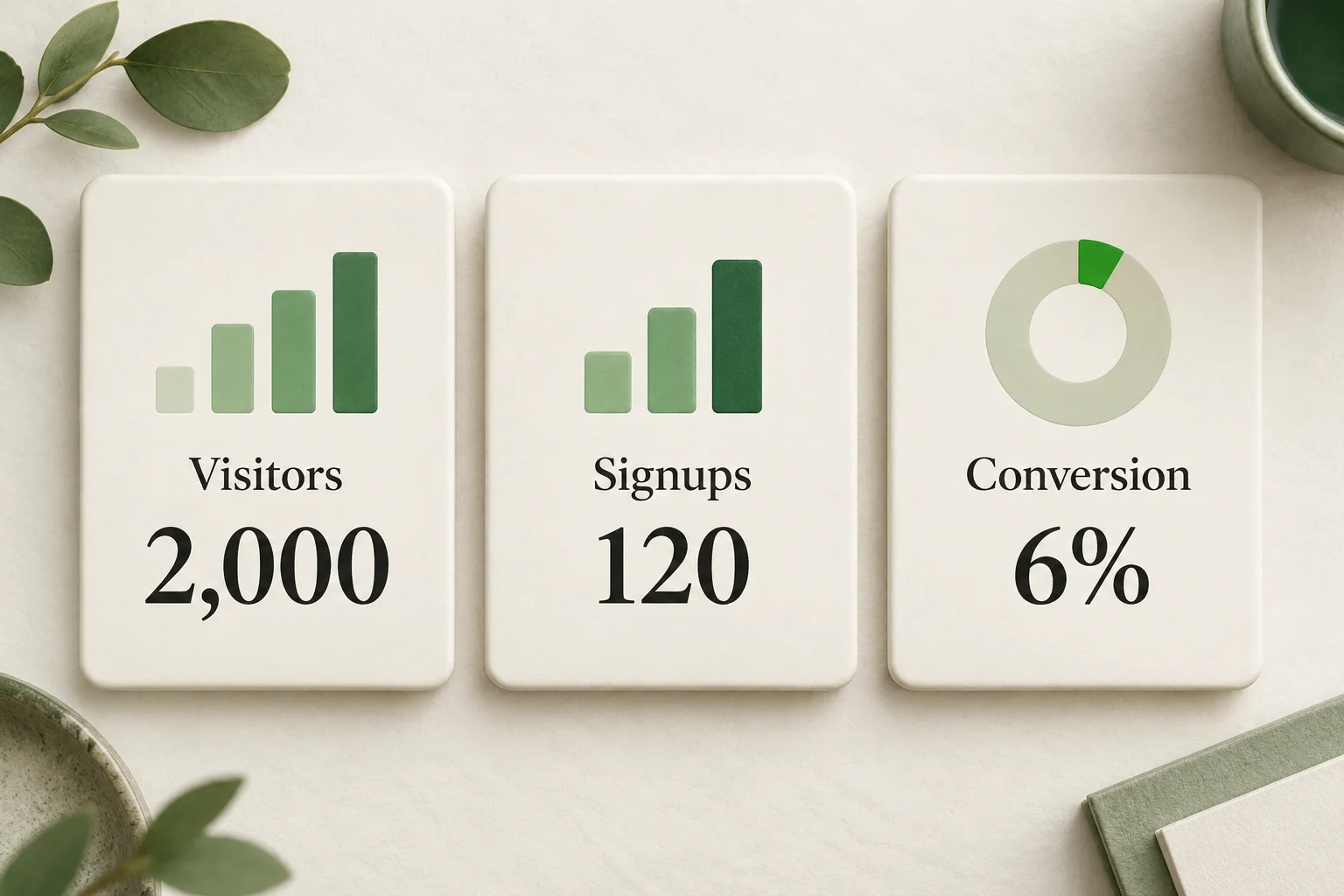
For example, a report might show that 2,000 people visited your signup page last week and 120 completed signup. That's a 6% conversion rate. Anamap can compare that result with previous weeks or break it down by device to help you understand what changed.
That analysis works from grouped results. It doesn't need the names or email addresses of the people behind those numbers.
The data available depends on the integration you connect. Some business systems also provide individual records, so aggregate reporting isn't a blanket description of every connection. We can walk you through what your specific integration makes available before you connect it.
Even when a report contains only totals, those numbers can be commercially sensitive. Your conversion rates and business performance deserve to stay private too.
OpenAI helps with analysis, without training on your data
Anamap uses OpenAI's models to interpret your questions, analyze the relevant results, and explain what they mean for your business. Relevant analytics data and context are shared with OpenAI as part of that process.
We have an enterprise contract with OpenAI that prevents your data from being used to train its models. Your data can help answer your team's question without becoming training material for OpenAI.
OpenAI's enterprise privacy commitments explain its broader policy of not training on business data by default.
Hosting and storage providers also support the operation of Anamap. They're part of how the service runs, alongside Anamap and OpenAI's role in the analysis itself.
Each company's data is kept separate
Anamap keeps data associated with the company it belongs to. Access controls and company-specific queries are designed to keep your connected sources, conversations, and analysis separate from those of other customers.
When your team asks about a change in signups, the analysis uses your company's sources and context. Another customer's account doesn't grant access to your analytics, and your data isn't pooled into a shared collection for other customers' answers.
Using the same AI provider doesn't change those company boundaries.
If your team has questions about a particular integration or how your data is handled, contact us. We're happy to walk through it before you connect your analytics.